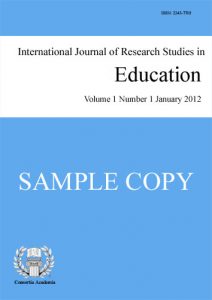
ISSN: 2243-7703 Online ISSN: 2243-7711
Volumes and Issues
2013 Volume 2: # 1, # 2, # 3, # 4
2014 Volume 3: # 1, # 2, # 3, # 4, # 5
2015 Volume 4: # 1, # 2, # 3, # 4
2016 Volume 5: # 1, # 2, # 3, # 4
2017 Volume 6: # 1, # 2, # 3, # 4
2018 Volume 7: # 1, # 2, # 3, # 4
2019 Volume 8: # 1, # 2, # 3, # 4
2020 Volume 9: # 1, # 2, # 3, # 4, # 5, # 6, # 7, # 8
2021 Volume 10: # 1, # 2, # 3, # 4, # 5, # 6, # 7, # 8, # 9, # 10,
# 11, # 12, # 13, # 14, # 15, # 16
2022 Volume 11: # 1, # 2, # 3, # 4, # 5, # 6, # 7, # 8, # 9, # 10,
# 11, # 12, # 13, # 14, # 15, # 16
2023 Volume 12: # 1, # 2, # 3, # 4, # 5, # 6, # 7, # 8, # 9
2024 Volume 13: # 1, # 2, # 3, # 4, # 5, # 6, # 7, # 8, # 9, # 10,
# 11, # 12, # 13, # 14, # 15, # 16, # 17, # 18, # 19
2025 Volume 14: # 1, # 2, # 3, # 4, # 5, # 6, # 7, # 8, # 9, # 10,
# 11, # 12, # 13, # 14, # 15, # 16, # 17
2026 Volume 15: # 1, # 2, # 3, # 4, # 5, # 6, # 7, # 8, # 9, # 10,
# 11, # 12, # 13, # 14, # 15, # 16, # 17, # 18, # 19, # 20, # 21, # 22, # 23, # 24
Focus and Scope
International Journal of Research Studies in Education (IJRSE) is an international, peer-reviewed, open-access, multidisciplinary scholarly journal dedicated to advancing educational research, theory, policy, and practice. The journal provides an inclusive platform for emerging and established researchers to disseminate theoretically grounded, methodologically rigorous, and practically relevant research addressing contemporary educational issues and challenges. IJRSE welcomes quantitative, qualitative, and mixed-methods research, including experimental and quasi-experimental studies, surveys, case studies, longitudinal investigations, action research, systematic and scoping reviews, meta-analyses, and conceptual, theoretical, methodological, and policy analyses.
Aims and Objectives
IJRSE aims to advance educational knowledge by promoting scholarly inquiry, interdisciplinary collaboration, and the exchange of research findings among academics, educators, policymakers, practitioners, and other educational stakeholders. The journal welcomes research addressing teaching, learning, leadership, policy, assessment, curriculum, and other educational processes and outcomes across early childhood, primary, secondary, tertiary, graduate, vocational, adult, community, and lifelong education. Particular emphasis is placed on research that contributes to educational theory, improves educational practices, informs educational policy, addresses issues of access and equity, and examines the relationships among education, society, culture, and technological change. IJRSE particularly encourages cross-national, international, comparative, culturally responsive, and locally grounded research that offers meaningful contributions to broader educational scholarship.
Areas of Interest
The journal welcomes contributions across a broad range of educational disciplines and research areas, including but not limited to:
- Teaching, Learning, and Curriculum: Instructional practices, curriculum development, pedagogical innovation, student engagement, learning outcomes, and curriculum evaluation.
- Educational Leadership, Administration, and Governance: School leadership, educational management, institutional governance, organizational change, educational policy, and leadership development.
- Teacher Education and Professional Development: Preservice teacher preparation, teacher competencies, professional learning, teacher identity, instructional improvement, and continuing professional development.
- Educational Psychology and Student Development: Learning motivation, self-regulated learning, student well-being, educational counseling, learner development, and psychological processes in education.
- Educational Technology and Artificial Intelligence: Digital learning, technology-enhanced education, generative artificial intelligence in education, AI literacy, digital pedagogy, and the ethical and educational implications of emerging technologies.
- Educational Assessment and Evaluation: Student assessment, learning measurement, formative and summative assessment, program evaluation, educational quality assurance, and evidence-based educational improvement.
- Inclusive, Special, Indigenous, and Multicultural Education: Educational equity, inclusive learning environments, disability and special education, indigenous education, culturally responsive pedagogy, and educational opportunities for diverse populations.
- Language Education, Literacy, and Multilingual Learning: Language teaching and learning, literacy development, bilingual and multilingual education, language policy, and linguistic diversity in educational settings.
- Filipino Language, Literature, and Culture in Education: Filipino language education, Philippine literature, cultural identity, translation studies in educational contexts, curriculum development, and the intellectualization and scholarly development of the Filipino language.
- Higher Education and International Education: University teaching and learning, graduate education, internationalization, student mobility, higher education governance, and institutional development.
- Comparative and International Education: Cross-national educational research, international educational systems, educational reform, comparative policy analysis, and global educational challenges.
- Vocational, Adult, and Lifelong Education: Technical and vocational education, workforce preparation, adult learning, continuing education, professional education, and lifelong learning.
- Community Education and Educational Development: Community-based learning, educational partnerships, family and community engagement, social development, and education for sustainable development.
- Educational Research Methodology: Quantitative, qualitative, and mixed-methods approaches, instrument development and validation, research ethics, methodological innovations, and educational research evaluation.
IJRSE also welcomes interdisciplinary studies integrating education with psychology, sociology, management, public policy, language studies, cultural studies, information technology, healthcare, and related fields, provided that the research makes a substantive contribution to educational knowledge, policy, or practice.
Philippine Education, Language, and Cultural Scholarship
Recognizing the importance of local knowledge, cultural identity, and educational diversity, IJRSE particularly welcomes research examining educational issues and experiences within the Philippine context. The journal encourages studies exploring educational practices, institutional challenges, teacher development, learner experiences, language education, and policy implementation across diverse Philippine educational settings. Research addressing Filipino language education, Philippine literature and culture, indigenous knowledge systems, multilingual education, regional educational development, and culturally responsive teaching is particularly encouraged. IJRSE seeks to strengthen the international visibility of Philippine educational scholarship by supporting research that connects local experiences with broader theoretical, methodological, and comparative discussions. The journal values studies that move beyond purely descriptive accounts and demonstrate clear theoretical, analytical, methodological, or practical contributions to educational research and professional practice.
Language of Publication and International Visibility
IJRSE welcomes scholarly manuscripts written in English or Filipino. Manuscripts written fully in Filipino are welcomed and evaluated according to the same standards of scholarly quality, originality, ethical integrity, relevance, and methodological rigor applied to manuscripts written in English. Recognizing that valuable educational knowledge emerges from local experiences and culturally grounded perspectives, the journal supports the development and dissemination of scholarly research in Filipino while promoting meaningful engagement with national and international academic communities.
To enhance international accessibility and scholarly discoverability, authors publishing in Filipino are encouraged to include an English title, abstract, and keywords alongside their Filipino-language equivalents. These optional English-language elements may facilitate international scholarly communication and improve the discoverability of Filipino-language research through academic search engines and indexing services, subject to their respective coverage and selection policies. Filipino-language manuscripts undergo the same editorial evaluation and peer-review procedures as English-language manuscripts. Accepted articles are published according to the journal’s standard publication policies, including the assignment of a Digital Object Identifier (DOI), where applicable. Through this initiative, IJRSE seeks to bridge Philippine educational scholarship and international academic discourse, promote culturally responsive educational research, and provide opportunities for Filipino scholars to contribute to global discussions while retaining their national language.
Policy Basis for Filipino-Language Scholarship
IJRSE’s support for scholarly publications written in Filipino is consistent with Article XIV, Section 6 of the 1987 Philippine Constitution, which provides for the continuing development and use of Filipino, and Republic Act No. 7104, which established the Commission on the Filipino Language and supports the development, preservation, and promotion of Philippine languages. By providing a peer-reviewed and internationally accessible publication platform, IJRSE contributes to the advancement of Filipino as a language of academic inquiry and scholarly communication.
Publication and Submission Information
IJRSE welcomes individual manuscript submissions addressing education and related interdisciplinary research areas within the journal’s scope. All submissions are subject to editorial screening, peer review, and the journal’s requirements concerning originality, research ethics, methodological quality, and scholarly contribution. Authors are encouraged to consult the journal’s Author Guidelines and Publication Policies for detailed information concerning manuscript preparation, research ethics, declarations of artificial intelligence use, author contributions, and other submission requirements.
For submissions and editorial inquiries, please contact ijr.edu@gmail.com.
Last updated: October 21, 2026